by
by Most people who search for this word have never seen it before. It looks like a brand name, maybe a design label. It’s neither.
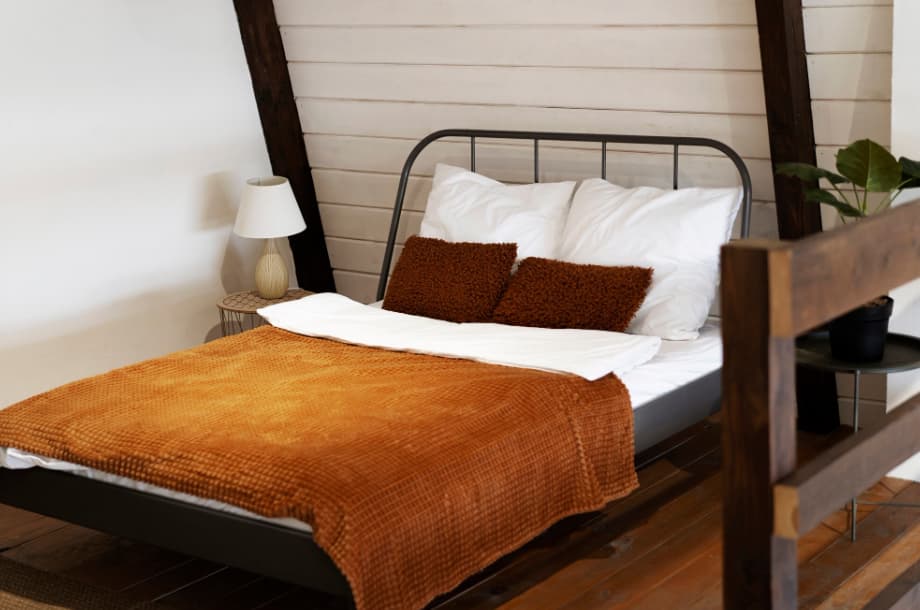
Jernsenger is the Norwegian word for iron beds. Jern means iron. Senger means beds.
Simple translation — but understanding what it represents takes a little longer, and if you’re researching bedroom furniture or Scandinavian design, it’s worth the few minutes.
Jernsenger
What Jernsenger Means?
The word comes from Scandinavian furniture traditions, particularly Norwegian and Danish craftsmanship.
In those traditions, design tends to favor furniture that is durable, functional, and visually uncluttered.
Iron beds fit that philosophy well — strong, low-maintenance, and quietly elegant when well made.
That’s partly why the term has traveled into English-language interior design discussions. People encounter it, can’t place it, and look it up.
There’s also a secondary, more conceptual use. Some writers apply jernsenger as a metaphor for structured, durable thinking or communication frameworks.
That usage exists, but it’s newer and far less established. For anyone researching furniture, the meaning of furniture is the right starting point.
A Short History of Iron Beds
Before the 19th century, virtually every bed frame was wooden. Wood was practical and widely available — but it warped, cracked, attracted insects, and resisted thorough cleaning.
As awareness of hygiene grew in densely populated cities, those drawbacks started to matter more.
Iron solved these problems directly. Smooth metal surfaces could be wiped down and disinfected far more easily than porous wood.
Hospitals, boarding houses, and military barracks adopted iron beds quickly. Domestic households followed, particularly across Scandinavia, where the jernsenger gained real prominence in the 1800s.
The Industrial Revolution changed the scale of what was possible. As metalworking costs fell, iron beds became accessible to ordinary households rather than to institutions alone.
Manufacturers responded by adding decorative detail — scrollwork, floral motifs, hand-forged curves on headboards and footboards.
By the Victorian era, iron bed frames had become heirlooms, passed between generations rather than discarded after a few years.
That combination of function and craft is what gives the jernsenger its historical staying power.
The Real Benefits
The case for an iron bed is practical, not sentimental.
- Durability. Iron doesn’t warp, crack, or soften in response to humidity and daily use the way wood does. A quality frame, properly maintained, can last several decades — sometimes longer. For anyone treating bedroom furniture as a long-term investment, that lifespan matters.
- Low allergen load. Metal surfaces don’t harbor dust mites or pet dander the way upholstered or wooden frames can. The open structural design typical of most iron beds also promotes air circulation around the mattress, which benefits people managing indoor allergies.
- Sustainability. Iron is among the most recyclable materials available. A well-maintained frame won’t end up in a landfill — it can be passed on, resold, or recycled. That lifecycle looks very different from flat-pack alternatives that typically can’t be repaired or meaningfully recovered.
- Design range. From heavily ornamented Victorian headboards to clean, industrial frames in matte black, iron beds span a wide range of aesthetics. A well-chosen piece can adapt across different interior styles even as tastes shift.
The Drawbacks
- Noise. The most frequently reported complaint. When bolts loosen at frame joints over time, the result is audible movement. The fix is straightforward — tighten the bolts — but cheaper frames with poorly finished connections develop this problem faster and more persistently.
- Rust risk. Modern powder-coated finishes manage this well under normal indoor conditions. High-humidity environments, like coastal rooms or bedrooms next to bathrooms, need more attention. An annual light treatment with protective wax or metal sealant handles most situations.
- Weight. Traditional wrought iron frames can be heavy and hard to move. Most contemporary steel-framed versions are lighter, but vintage pieces can still be a challenge.
- Price variation. Entry-level frames are affordable. High-quality handcrafted or restored vintage pieces cost significantly more. The construction difference between the two ends of that range is real — a very cheap frame may develop joint problems before a more expensive one shows any wear.
Styles Available Today
The jernsenger market covers more aesthetic ground than most people expect.
- Victorian-style frames feature ornate headboards and footboards with scrollwork and floral motifs. They suit vintage-influenced and period bedrooms well.
- Minimalist iron frames use clean lines, simple geometry, and neutral finishes. They work particularly well in Scandinavian-influenced spaces.
- Industrial-style beds lean into raw metal aesthetics — bold proportions, dark finishes, minimal decoration. Well-suited to loft apartments and urban bedrooms.
- Canopy iron beds extend the frame vertically with posts at each corner, allowing curtains or draped fabrics overhead.
- Foldable models are a practical option for guest rooms and smaller spaces — lighter, and designed to disassemble quickly.
- Restored vintage frames are available through antique dealers and specialist furniture sellers, often refinished to suit contemporary interiors.
What to Check Before Buying?
- Inspect the joints. Tight, smooth welds and properly fitted bolts indicate quality. Rough or loose connections are a reliable warning that noise and instability will follow.
- Match dimensions to your mattress. Variation exists between manufacturers, particularly with vintage pieces that may use older size conventions. Confirm measurements before ordering.
- Choose powder coat over standard paint. Powder-coated finishes resist chipping and rust more effectively. Check that the finish is even and smooth, especially at corners and joints where wear starts.
- Plan for regular bolt tightening. One simple maintenance habit prevents the most common complaint about iron beds.
FAQs
- What does jernsenger mean?
The Norwegian and Scandinavian term for iron beds. Jern = iron, senger = beds. It refers to bed frames made from iron or iron-alloy metal.
- Are iron beds suitable for modern bedrooms?
Yes. Contemporary designs range from ornate Victorian frames to clean minimalist builds, industrial finishes, and foldable models. The range suits most interior styles.
- Why do iron beds squeak?
Loose bolts at frame joints. Tightening all connection points during assembly — and checking them occasionally afterward — prevents this in most cases.
- How does a jernsenger compare to a wooden bed frame?
Iron generally lasts longer, handles moisture better, and is easier to clean. Wood feels warmer to the touch and doesn’t conduct cold. For longevity and low maintenance, iron has the edge.
Conclusion:
A jernsenger is an iron bed with centuries of practical history behind it. The case for one isn’t about nostalgia — it’s about durability, low maintenance, allergy performance, and genuine design range.
The honest drawbacks are worth knowing: joint noise without maintenance, rust risk in humid environments, and a real quality gap between budget and premium options.
For anyone buying furniture with a 15- or 20-year horizon, a well-made iron bed frame is worth serious consideration.
Inspect the joints, verify the dimensions, choose a powder-coated finish — and pick a mattress you actually like, because that’s where comfort is decided.