by
by You’re low on air, pulling into a parking lot, and staring at a nail sticking out of your tire. The immediate question: how much is this going to cost to fix?
If Firestone is your nearest or most trusted shop, you’re probably wondering what to expect before you walk through the door.
The short answer? Most people pay somewhere between $15 and $35 for a standard tire patch at Firestone — but depending on your situation, you might not pay a dime.
How Much Does It Cost to Patch a Tire at Firestone?
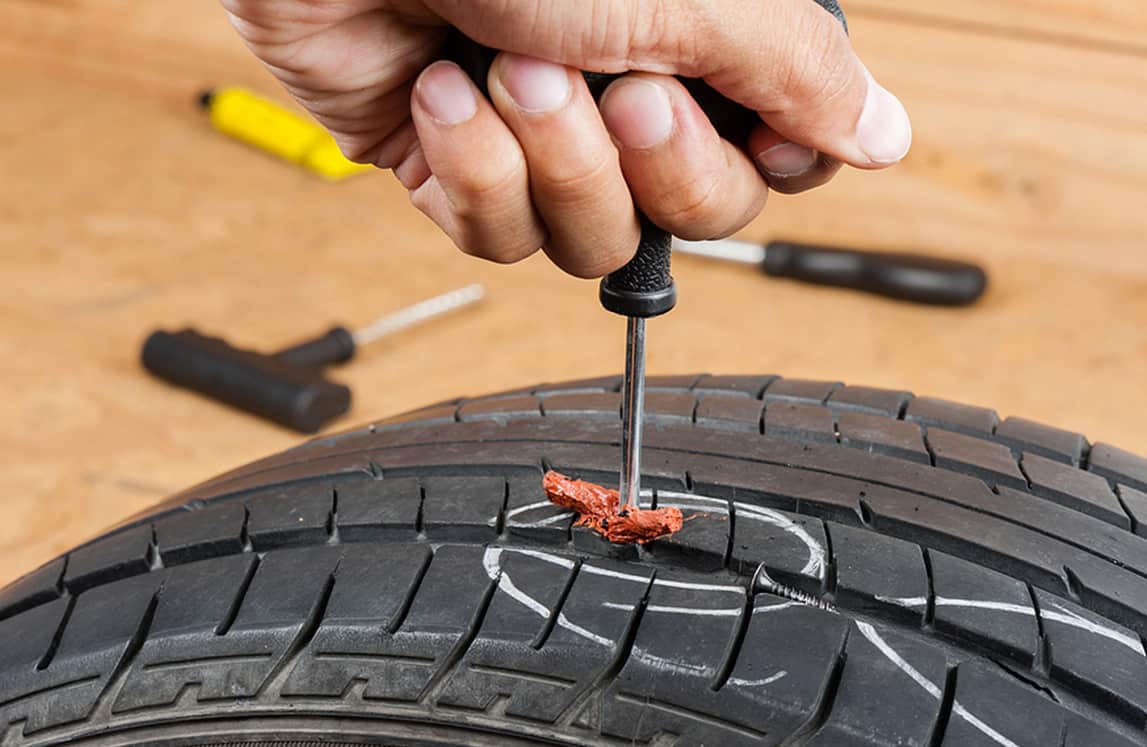
Here’s exactly what goes into that price, when the repair qualifies as free, and how to avoid overpaying for something that takes less than an hour.
Typical Firestone Tire Patch Cost: What to Expect?
At most Firestone Complete Auto Care locations, a professional tire patch runs between $15 and $35, with $25 being the most common charge.
That price generally covers dismounting the tire, inspecting the damage, applying the repair, and rebalancing the wheel before reinstalling it.
This isn’t a flat national rate, though. What you actually pay depends on a few things.
What Influences the Price?
- Where is the puncture located?
Only damage within the tread area — the flat part of the tire that contacts the road — can be safely repaired. If a nail or screw punctured the sidewall, that tire can’t be patched. You’d need a full replacement, which is a different conversation (and a bigger bill).
- The type of repair performed
Firestone follows Rubber Manufacturers Association (RMA) standards, which means they typically use a patch-plug combination. This method seals the tire from the inside and fills the puncture hole. It’s more thorough than a simple exterior plug, and it costs slightly more as a result.
- Your geographic location
Labor rates differ by region. A Firestone in a major metro area may charge more than one in a smaller town. The $15–$35 range accounts for this variation, but your local shop could fall on either end.
- Tire size and vehicle type
Standard passenger car tires are straightforward to repair. Larger tires on trucks, SUVs, or performance vehicles may carry a modest upcharge.
Does Firestone Patch Tires for Free?
Yes — under the right circumstances. Here’s where knowing your purchase history matters.
When You’ll Likely Pay Nothing?
- You bought your tires at Firestone. Many Firestone tire purchases include complimentary flat repair as part of the package.
- You have an active Tire & Road Hazard Warranty. This warranty, often bundled with tire purchases, typically covers puncture repairs at no cost.
- You purchased a protection certificate. Firestone’s certificate programs frequently include free flat repairs for the life of the tire.
- A current promotion applies. Firestone periodically offers free tire repair promotions, especially during seasonal service events.
When You’ll Pay Out of Pocket?
- Your tires were purchased elsewhere. Without a Firestone purchase record or warranty, standard repair fees apply.
- Your warranty or certificate has expired. Check the mileage or time limits on your coverage before assuming it’s still active.
- The damage isn’t repairable. Sidewall damage, punctures larger than ¼ inch, or tires with previous repairs in the same spot won’t qualify for any kind of patch — free or otherwise.
One practical move: If you’re unsure whether your tires qualify, call your local Firestone before you go. Give them your purchase details, and they can usually confirm your coverage status in minutes.
Patch vs. Plug: Why It Matters?
You might hear different terms at the counter. Here’s what each one means and why the distinction matters for your safety.
- A tire plug is a rubber strip forced into the puncture from the outside. It’s fast, and DIY kits cost $5–$15 at auto parts stores. But it doesn’t seal the inner liner, which means moisture can eventually reach the steel belts and cause corrosion.
- A tire patch is applied from the inside of the tire after it’s been removed from the rim. It creates an airtight seal against the inner liner but doesn’t fill the puncture channel itself.
- A patch-plug combination does both. It fills the hole and seals the interior. This is what Firestone typically performs, and it’s the method recommended by tire industry professionals.
The labor time for all three methods is nearly identical at a professional shop, so the price stays within that $15–$35 range regardless. Always ask for the patch-plug combo — there’s no reason to settle for less.
How Much Does It Cost to Patch a Tire at Firestone vs. Other Shops?
If you’re comparing options or don’t have a Firestone nearby, here’s how their pricing stacks up against other national chains:
| Shop | Typical Repair Cost | Notes |
|---|---|---|
| Firestone | $15–$35 | Free with active warranty or tire purchase |
| Discount Tire | Often free | Known for complimentary flat repairs, even without a prior purchase |
| Pep Boys | $20–$40 | Pricing varies by location and repair type |
| Big O Tires | $20–$30 | Frequently runs flat-rate repair specials |
| Independent shops | $20–$30 | Can be cheaper, but the quality varies |
| Valvoline Instant Oil Change | N/A | Does not offer tire repair services |
If you’re searching for a free tire patch near me, Discount Tire is worth checking — they have a well-known policy of repairing flats at no charge as a customer goodwill gesture.
Before You Head to Firestone: Quick Preparation Tips
- Call your local shop for an accurate quote and estimated wait time. Most patches take 30–45 minutes, but walk-in traffic can vary.
- Bring your receipt or warranty paperwork if you bought your tires from Firestone. This can be the difference between paying $25 and paying $0.
- Check for online coupons. Firestone regularly posts service discounts on their website and through email promotions.
- Ask for the patch-plug method if it isn’t mentioned upfront. It’s the safest repair, and you’re already paying for professional service.
- Don’t drive on a flat. Even a short distance on a deflated tire can damage the sidewall and turn a $25 repair into a $200+ replacement.
FAQs
- Does Firestone patch tires or just plug them?
Firestone follows RMA guidelines and typically performs a patch-plug combination, which is the most reliable repair method. They don’t rely on exterior plugs alone.
- Is a patched tire safe to drive on the highway?
Yes. A professionally applied patch-plug repair restores the tire’s structural integrity and is safe for highway speeds and normal driving conditions.
- How long does a tire patch last?
When done correctly, a patch-plug repair should last for the remaining life of the tire. Keep an eye on tire pressure and inspect the repair area periodically.
- Where can I get my tire patched near me?
Firestone, Discount Tire, Pep Boys, Big O Tires, and most independent tire shops offer tire patching. If you’re looking for a free tire patch near me, Discount Tire is a strong option.
- Can all flat tires be repaired?
No. Only punctures in the tread area that are ¼ inch or smaller can be safely repaired. Sidewall damage, large punctures, and tires with multiple repairs in the same area need replacement.
- What if my tire keeps losing air after a patch?
Return to the shop immediately. The repair may have failed, or there could be a second puncture, a leaking valve stem, or a bead seal issue that needs attention.
Conclusion:
Getting a tire patched at Firestone usually costs between $15 and $35, but if you bought your tires there or carry an active warranty, you could walk out without paying anything.
Either way, it’s a small price for a repair that restores your tire’s integrity and keeps you safe on the road.
The smartest thing you can do? Know your warranty status before you need it.
And when you do need a repair, insist on the patch-plug combination — it’s the method that actually protects your tire long-term.