by
by Most conversations about India’s tech scene orbit a familiar set of cities, companies, and founder archetypes.
What they miss is the texture underneath — the communities doing technically ambitious work while staying tethered to something local, specific, and culturally alive.
The Cyberkannadig community is one of the clearest examples of that.
The term itself is simple: a Cyberkannadig is someone from Karnataka who engages with the digital world through the lens of Kannada identity.
But the reality it points to is more interesting than any definition.
Cyberkannadig
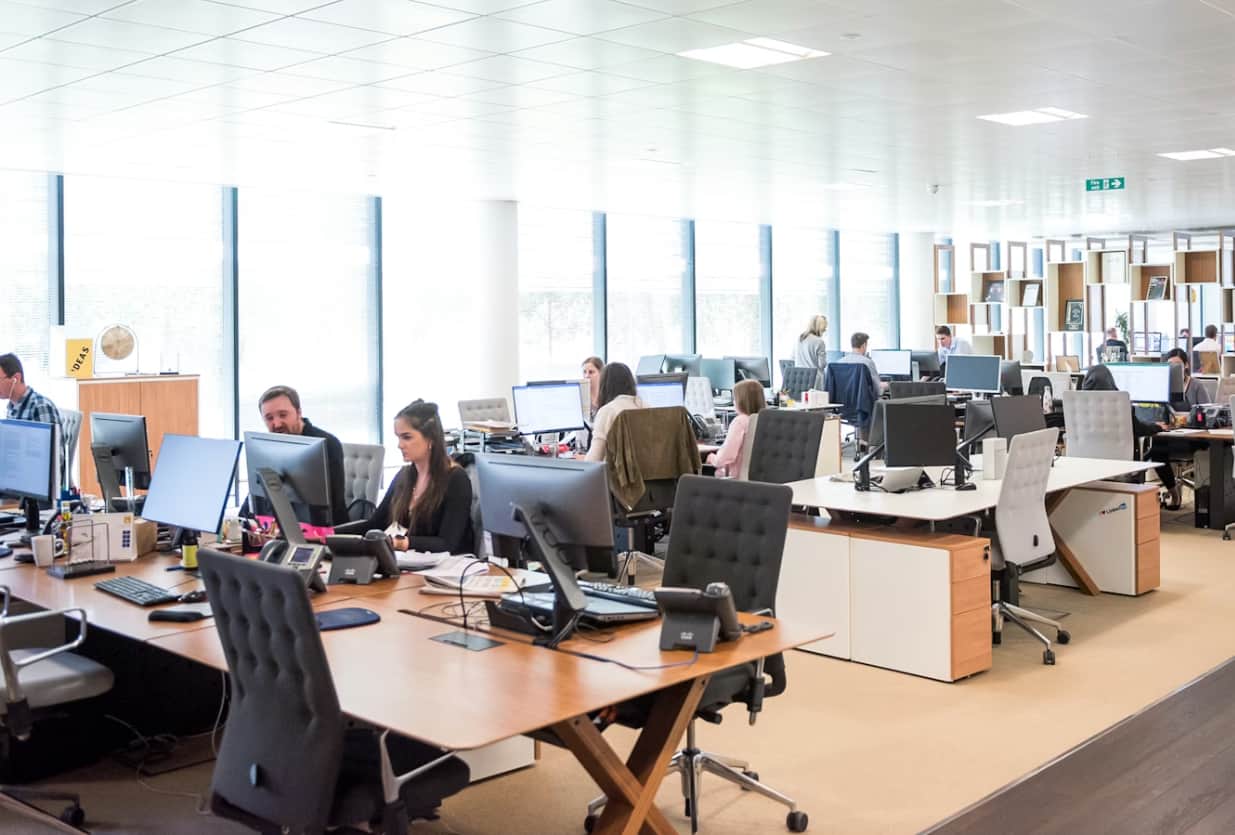
This is a community actively building — startups, content ecosystems, language technology, and digital infrastructure — in ways that are quietly reshaping how a 65-million-speaker language survives and grows in an internet era that wasn’t designed for it.
The Identity Behind the Term
Labels in tech tend to flatten things. ‘Indian developer,’ ‘Bengaluru startup,’ ‘regional content creator’ — each of these is accurate and incomplete at the same time.
The Cyberkannadig identity adds a dimension that these labels don’t capture: the deliberate choice to bring cultural roots into digital work rather than leaving them at the periphery.
That choice looks different depending on who’s making it. A developer building a Kannada speech recognition dataset is making it.
So is a schoolteacher in Shivamogga who records explainer videos in Kannada for students who learn better in their mother tongue.
So is the product manager who insists their app’s onboarding flow needs a Kannada option because their user research shows that’s where drop-off happens.
None of these people is making a purely nostalgic gesture. They’re making a practical, strategic one — recognising that the internet still has enormous gaps for Kannada speakers, and that those gaps are opportunities.
Building Startups With Local Fluency
Karnataka’s startup density is well-documented. What’s less discussed is how the most durable startups coming out of the state often succeed because their founders understand something about the local context that outside investors and founders simply don’t.
The fintech products that work in semi-urban Karnataka are designed differently from those built for Bengaluru’s tech workers.
The agritech platforms serving farmers in the Malaprabha basin account for crop cycles, land fragmentation patterns, and communication preferences that only come from genuine familiarity with the region. This isn’t cultural sentimentality — it’s product intelligence.
Cyberkannadig entrepreneurs bring that intelligence as a default. Their cultural fluency becomes market insight.
And in categories where user trust is fragile — financial services, health information, government interface tools — that trust-building starts with language and cultural familiarity in a way that no amount of UX polish can substitute for.
The Role of Bengaluru’s Ecosystem
Bengaluru has served as a compression chamber for this energy.
The city concentrates engineering talent, early-stage capital, and a dense network of mentors and operators who’ve built and scaled companies before.
Cyberkannadigas in Bengaluru benefit from that infrastructure while often building products aimed at populations the city’s tech elite has historically ignored — rural users, older demographics, Kannada-first learners.
That tension between where they operate and who they serve is generative. It keeps the work grounded.
Kannada Content and the Architecture of Digital Inclusion
Somewhere between 2018 and 2023, Kannada-language content on the internet went from sparse to genuinely substantial.
YouTube channels covering current affairs, science, personal finance, history, and comedy in Kannada attracted audiences in the hundreds of thousands. Podcasts, newsletters, and long-form blogs followed.
This wasn’t accidental. It was the result of individual Cyberkannadigas making sustained bets that a Kannada-speaking audience existed online and was underserved.
They were right, and the growth validated the instinct.
The significance runs deeper than view counts. When substantive, high-quality content exists in Kannada on topics like financial literacy or career development, it changes who has access to that knowledge.
A first-generation college student in Raichur who consumes that content in Kannada is not a consolation-prize user being served second-best information. They’re getting the same insight as anyone else — in the language they think in.
That’s what digital inclusion actually looks like at the content layer.
Language Technology: The Infrastructure Nobody Sees
Behind the visible content and startup activity sits a quieter category of work that may matter most in the long run: language technology.
Kannada NLP — natural language processing — is still developing relative to Hindi, Tamil, or major global languages.
Building it out requires unglamorous, painstaking work: annotating datasets, building benchmarks, training models, testing them against real-world Kannada as it’s actually spoken and written, not just its formal literary form.
Cyberkannadigas in academic research, at companies like Google and Microsoft’s Bengaluru offices, and in independent open-source projects are contributing to this infrastructure.
Keyboard input tools, voice search accuracy, machine translation quality, and eventually large language model performance in Kannada all depend on foundations being laid now.
This work doesn’t generate headlines. It generates the conditions under which everything else becomes possible.
The Friction Points Worth Naming
Progress in this space is real, but the honest picture includes friction.
Karnataka’s geography means digital access is uneven. Urban connectivity is solid; rural access is improving, but inconsistent.
Cyberkannadig creators and developers who want their work to reach all of Karnataka — not just its smartphone-saturated cities — have to reckon with this.
Low-bandwidth design, offline functionality, and audio-first formats aren’t nice-to-haves for this audience. They’re requirements.
Platform equity is another ongoing issue. Global tech platforms allocate moderation, localisation, and creator support resources roughly in proportion to user volume and advertiser demand.
Kannada sits in a middle tier where the community is large enough to matter but not large enough to command the infrastructure that Hindi or English speakers receive.
Cyberkannadig advocates have been pushing on this for years with incremental results.
What the Next Phase Looks Like?
The Cyberkannadig community is entering a phase where the foundations laid over the past decade begin to compound.
Kannada-language AI tools are moving from research to application. A generation of creators who started posting in 2018 now have production skills, audiences, and collaborative networks.
Startup founders who built their first company serving Karnataka’s underserved markets are raising second rounds with a track record.
The question isn’t whether this community will continue to grow.
It’s whether the broader infrastructure — platform support, investment attention, policy frameworks for regional language digital inclusion — will keep pace with what the community is capable of.
Based on the trajectory, there’s reason for genuine optimism.
The Cyberkannadig identity has moved from an informal label to an active organizing principle for a community that’s building things that last.
Frequently Asked Questions
- What is the Cyberkannadig community?
It refers to people from Karnataka who are active participants in the digital economy while maintaining a strong connection to the Kannada language and culture. The community spans software developers, entrepreneurs, content creators, researchers, and digital advocates.
- How does the Cyberkannadig identity differ from simply being a tech worker from Karnataka?
The distinction is intentionality. A Cyberkannadig doesn’t just happen to be from Karnataka — they actively incorporate Kannada cultural identity into their digital work, whether that’s building Kannada-language products, creating content in Kannada, or advocating for Kannada’s inclusion in tech platforms.
- What is Kannada NLP and why does it matter?
NLP stands for natural language processing — the technology that enables computers to understand and generate human language. Kannada NLP development matters because it’s the foundation for voice search, translation, AI assistants, and content accessibility tools in Kannada. Without it, Kannada speakers are locked out of the next generation of AI-powered tools.
- Are there major companies investing in Kannada language technology?
Yes, though the investment is uneven. Some work happens within large tech companies’ India offices, and some through academic institutions and open-source projects. The volume is growing but still substantially below what higher-resource languages receive.
- Can someone outside Karnataka participate in the Cyberkannadig movement?
The identity is culturally rooted in Karnataka, but the broader movement — digital language preservation, regional content creation, inclusive platform design — welcomes anyone who supports those goals, regardless of where they’re from.
- What’s the biggest challenge facing the Cyberkannadig community right now?
The access gap between urban and rural Karnataka remains significant. Creating digital products and content that genuinely reach users across the full geography of the state — not just its connected cities — requires deliberate design choices that add cost and complexity most teams underestimate.
Conclusion:
What makes the Cyberkannadig story worth following isn’t novelty.
It’s the proof of concept it represents: that cultural rootedness and technical ambition aren’t in tension. They compound.
The work being done — in startups, content, language technology, and digital access — is specific to Karnataka and universal in its implications.
Every regional language community navigating the internet age is asking the same questions.
The Cyberkannadig community is a few steps into answering them.
Also Check:
- Retroya: Where Nostalgia Meets Innovation in Retro Revolution
- Can I Run GL.inet Travel Router Continuously For 365 Days?